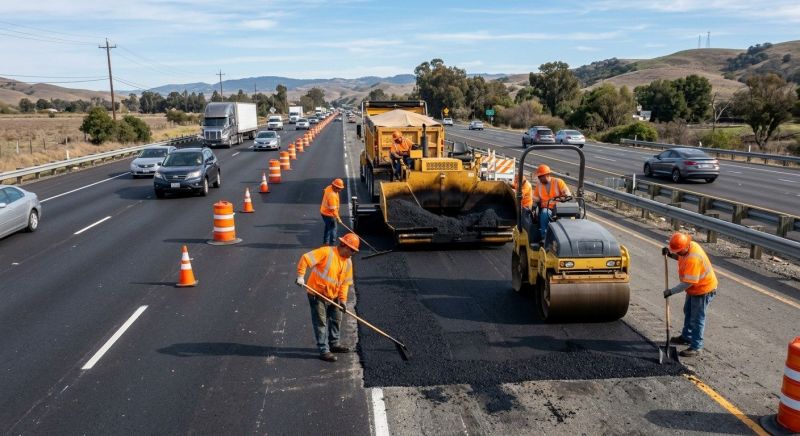
Highway Resurfacing in Little Rock, AR
Highway resurfacing services involve restoring and renewing existing roadways to improve their safety, durability, and appearance. This process typically includes removing the top layer of worn or damaged asphalt, repairing underlying issues, and applying a new surface layer to extend the lifespan of the road. Projects can range from small sections of residential streets to larger commercial and public roadways, ensuring smooth and reliable transportation routes for communities and property owners alike. Before requesting resurfacing, property owners often want to understand the scope of work, including the condition of the current pavement and whether any repairs are needed prior to resurfacing.
Homeowners and property managers considering highway resurfacing usually seek information about the project's impact on access and traffic flow, as well as the expected durability of the new surface. It’s important to evaluate the existing pavement condition to determine if resurfacing is suitable or if more extensive repairs are necessary. Additionally, understanding the materials used and the longevity of the resurfaced roadway can help property owners plan for future maintenance and budget accordingly. Proper planning ensures the resurfacing process effectively enhances the safety and functionality of the roadway for years to come.
Many property owners in Little Rock, AR look into Highway Resurfacing for repairs, replacements, upgrades, and appearance-related improvements.
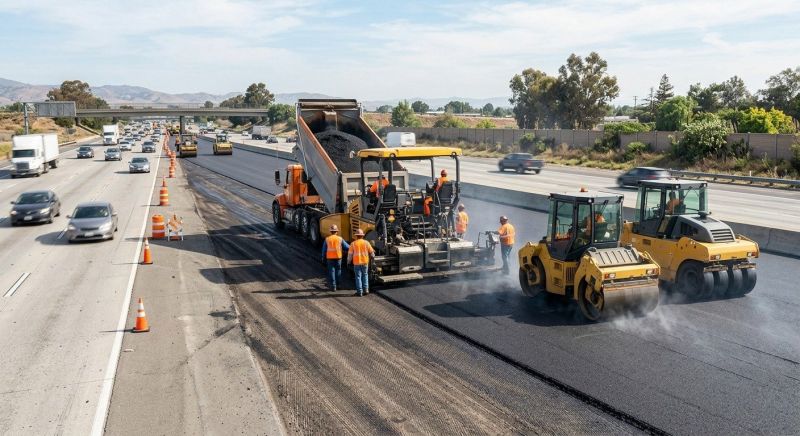
Benefits Of Highway Resurfacing
Resurfacing extends the lifespan of roads and enhances driving safety for community residents.
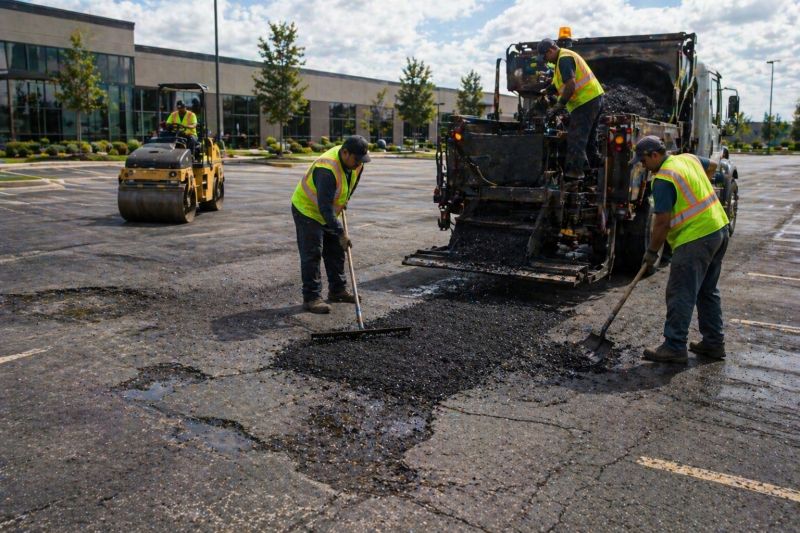
Common Resurfacing Projects
Projects often include repairing damaged pavement, improving smoothness, and restoring road durability in areas like little rock.
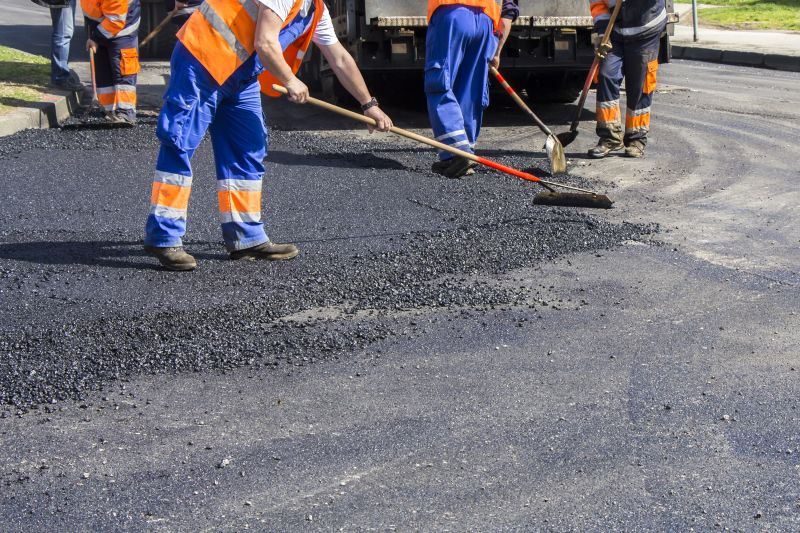
What To Expect During Resurfacing
The process involves removing the top layer of asphalt and applying a new surface to ensure long-lasting quality.
Highway Resurfacing in Little Rock, AR
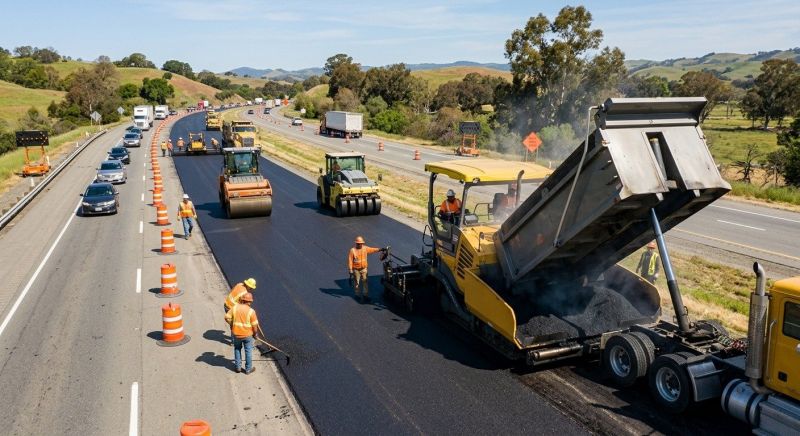
Highway resurfacing services involve restoring and renewing existing roadways to improve their safety, durability, and appearance. This process typically includes removing the top layer of worn or damaged asphalt, repairing underlying issues, and applying a new surface layer to extend the lifespan of the road. Projects can range from small sections of residential streets to larger commercial and public roadways, ensuring smooth and reliable transportation routes for communities and property owners alike. Before requesting resurfacing, property owners often want to understand the scope of work, including the condition of the current pavement and whether any repairs are needed prior to resurfacing.
Homeowners and property managers considering highway resurfacing usually seek information about the project's impact on access and traffic flow, as well as the expected durability of the new surface. It’s important to evaluate the existing pavement condition to determine if resurfacing is suitable or if more extensive repairs are necessary. Additionally, understanding the materials used and the longevity of the resurfaced roadway can help property owners plan for future maintenance and budget accordingly. Proper planning ensures the resurfacing process effectively enhances the safety and functionality of the roadway for years to come.
Many property owners in Little Rock, AR look into Highway Resurfacing for repairs, replacements, upgrades, and appearance-related improvements.
Common Highway Resurfacing Jobs
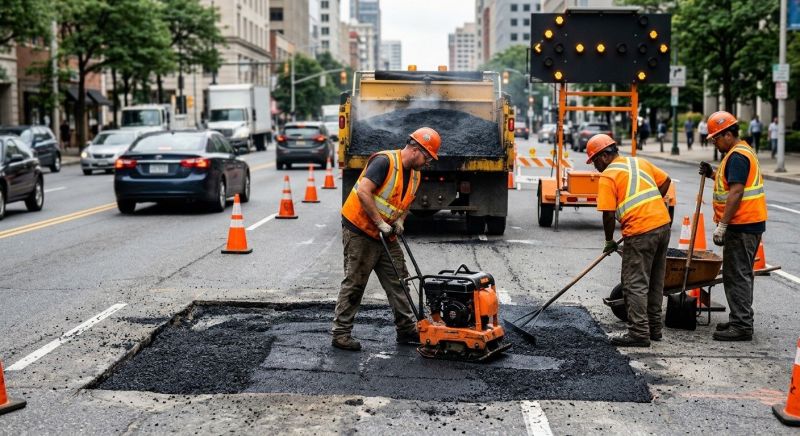
Highway Resurfacing - Restores damaged pavement to improve safety and ride quality.
Roadway Resurfacing - Applies new asphalt to extend the lifespan of existing roads.
Parking Lot Resurfacing - Refreshes parking areas to enhance appearance and functionality.
Street Rehabilitation - Repairs and upgrades aging street surfaces for better durability.
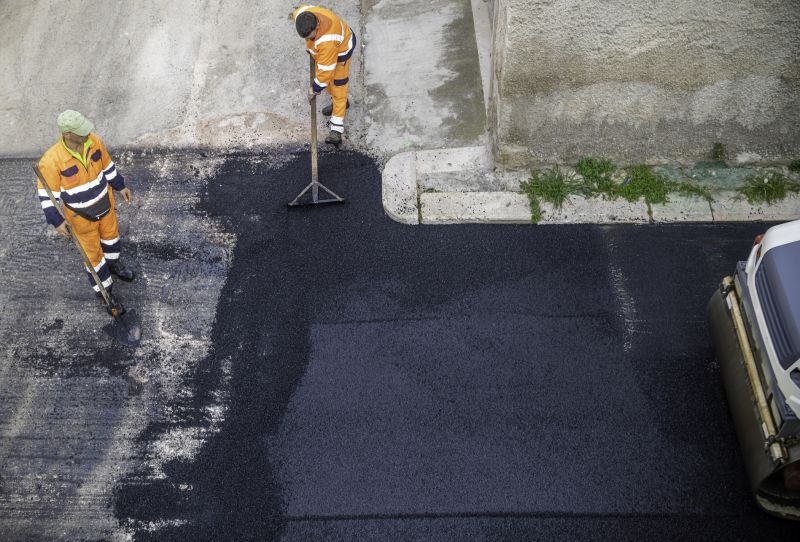
Driveway Resurfacing - Revives residential driveways for a smoother, more attractive surface.
Asphalt Overlay - Adds a new layer of asphalt to existing surfaces to reduce cracks and potholes.
Highway Resurfacing Questions
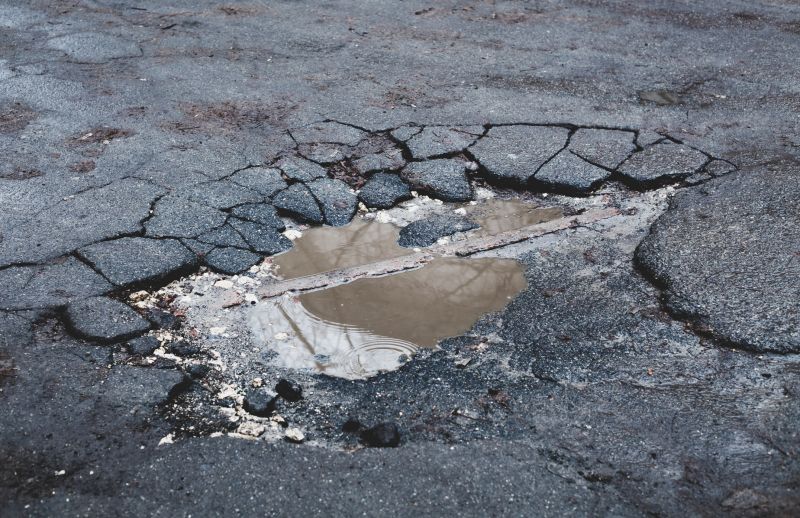
What areas are suitable for highway resurfacing? Highway resurfacing is ideal for roads experiencing surface wear, cracks, or deterioration that affects driving conditions.
How does resurfacing improve road safety? Resurfacing restores a smooth driving surface, reducing hazards like potholes and uneven patches that can cause accidents.
What types of surfaces can be resurfaced? Asphalt and concrete surfaces are commonly resurfaced to extend their lifespan and improve appearance.
Is highway resurfacing suitable for private driveways? Yes, resurfacing can be used on private driveways to enhance durability and curb appeal.
Request Highway Resurfacing in Little Rock, AR
Use the quote form on this page to share the basics of your project and request more information for the type of work you need.